
Careers
Emergency medicine training and doctor jobs at Monash Health - and how to apply.
Training at Monash Health
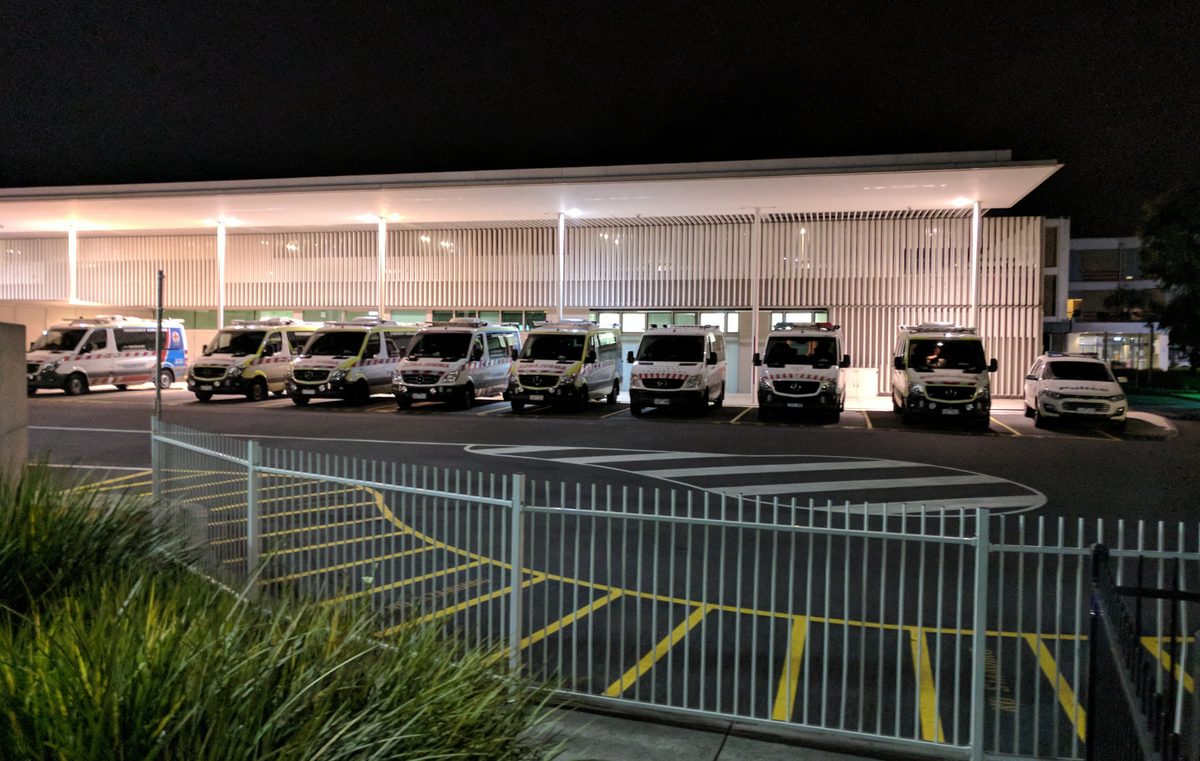
Monash Health runs one of the largest emergency training networks in Victoria, across five emergency departments spanning adult and paediatric care:
- Monash Medical Centre - Adults (Clayton) - ACEM-accredited Tier 1 site for adult emergency medicine
- Monash Medical Centre - Paeds (Clayton) - accredited for Paediatric Emergency Medicine
- Dandenong Hospital - ACEM-accredited Tier 2 site, mixed adult and paediatric training
- Casey Hospital - ACEM-accredited Tier 2 site, mixed adult and paediatric training
- Victorian Heart Hospital - accredited for Emergency Medicine special skills training
Training pathways span early-career doctors seeking broad clinical exposure, ACEM Diploma candidates, and the Career Medical Officer (CMO) program, through to fellowship. Rotations cover:
- Adult and paediatric emergency medicine, ICU, anaesthetics, and short stay / HITH
- Internal rotations into mental health, toxicology/addiction medicine, simulation fellowship and O&G
- External rotations to eye and ear, and women's health services, plus retrieval medicine and secondment to trauma centres
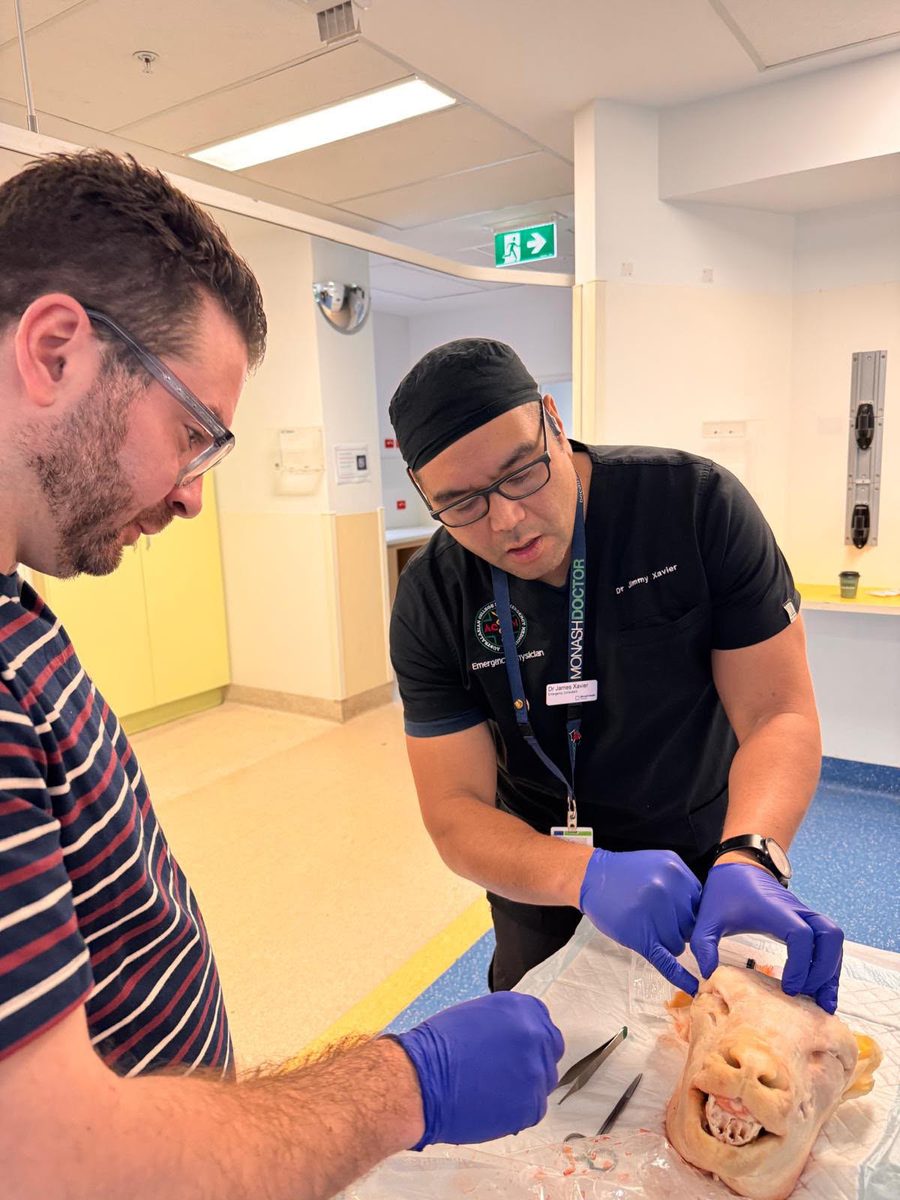
Support includes a structured 24-month teaching program covering the ACEM syllabus, exam-specific primary and fellowship teaching, ultrasound accreditation, a peer and career mentoring program, and wellbeing supports including protected teaching time and confidential counselling.
Rolling handOVER notes (ROVER)
The ROVER is a JMO-maintained resource to help orientate trainees to a new rotation, built on the experience of those who've recently completed it. It lives in the "Monash Emergency Registrar Education Hub" Teams channel alongside recordings, rosters and other internal material - you'll need a Monash Health account and to be added to the channel. If you can't access it, email Patrick Finn to be added.
 Open in Teams
How to apply
For medical positions at Monash Health, or general recruitment enquiries, contact the Monash Health Recruitment Team on (03) 9594 2547, or:
Applications for ACEM training positions open annually:
- Not yet part of Monash Health? See the ACEM Training Program's how to apply guidance.
- Already working with us? Talk to your department's DEMT about progressing into ACEM training.

Preparing for fellow / SMS roles
As positions become more competitive, candidates should consider what adds value to a CV:
- A range of rotations and special skills
- Research publications and educational courses
- Relevant prior experience, including rural
Building your CV
A standard structure to work from:
- Contact information. Full name, phone number, professional email, AHPRA registration (optional).
- Professional summary (optional but recommended). A short paragraph (3-4 lines) summarising your experience, interests, and what you bring to the role.
- Current employment. Position title, hospital/organisation, dates (e.g. 2020-present), a brief description of responsibilities and scope, and key achievements or leadership roles as bullet points.
- Previous employment. List in reverse chronological order: role title, organisation, dates, and a short list of relevant responsibilities, skills or notable contributions.
- Qualifications. Medical degree (MBBS or equivalent), Fellowship (FACEM) including year awarded, and any other qualifications (e.g. MPH, GradCertClinEd, DipUltrasound).
- Professional development & training. Courses, workshops or certifications (e.g. EMST, APLS, USS training), with dates and issuing bodies.
- Leadership & governance roles. Roles such as M&M lead, clinical director, education coordinator, roster lead - highlight contributions to department systems, safety and strategy.
- Teaching & education. Registrar/junior doctor supervision, formal teaching programs (weekly education, simulation, OSCE prep), and involvement in ACEM exams (e.g. DEMT, examiner, mock exams).
- Quality improvement, research & audit. QI projects, published audits or ongoing improvement initiatives, research involvement (even if unfunded), and presentations at local/national meetings.
- Publications & presentations. Peer-reviewed papers, conference presentations or posters, teaching materials or clinical guidelines authored.
- Professional memberships. ACEM (Fellowship status) and others (e.g. AMA, simulation societies, disaster medicine networks).
- Referees. 2-3 referees, with name, role, relationship, phone and email - ideally including a current ED director or senior colleague who can speak to your clinical and team contributions.
Formatting tips: keep it to 3-6 pages depending on experience, use headings, a consistent font and clear spacing, favour bullet points over long paragraphs, and save as a PDF for submission unless told otherwise.
The cover letter
Keep it to one page, covering:
- Opening paragraph: clear intent. State the position you're applying for, briefly introduce who you are (e.g. FACEM, senior registrar nearing completion), and mention your enthusiasm for the specific role and/or institution.
- Demonstrate clinical expertise. Outline your training and scope of experience (trauma, paediatrics, resuscitation), highlight any subspecialty interests (e.g. toxicology, retrieval, ultrasound), and mention your procedural competence and ability to manage complex presentations.
- Highlight leadership and teamwork. Describe how you've led or supported clinical teams, and mention mentoring, supervision of junior staff, or participation in team-based initiatives.
- Commitment to quality and improvement. Include involvement in QI, education, audit or clinical governance - show you're invested in system improvement and professional development.
- Alignment with the department/hospital. Tailor this section to the hospital's values, reputation or initiatives, and explain why you want to join that team.
- Closing: confident and professional. Reaffirm your interest and availability for interview, and thank them for considering your application.
Use a professional but warm tone, tailor it for each specific job/hospital, and avoid just repeating your CV - add context and meaning instead.
Before the interview
Emergency medicine is a demanding specialty that requires more than clinical competence - your application should reflect your readiness, resilience and leadership in a fast-paced, unpredictable environment. Check you meet the requirements listed in the advertisement, and consider contacting the Director to see if the department's values align with yours and to better understand the role.
Interview resources
Monash Health staff only - opens in SharePoint/Outlook, sign-in required: